
Understanding the tools, techniques, and philosophy behind your treatment.
The Guide
I believe healthy skin is about more than what we put on it. Our skin, body and nervous system are closely connected. Stress and tension can show up in our skin, but how we're feeling emotionally can also change the way we see it.
My approach brings together barrier-supporting skincare, restorative facial massage and bodywork, and nervous system support, guided by nature and the importance of slowing down.
It's about looking beyond the surface, working with your skin rather than against it, and developing a kinder, more appreciative relationship with the skin and body we're in.
The Slow Philosophy
Your skin barrier is your defense mechanism—locking moisture in while keeping environmental irritants out. When compromised, skin becomes red, tight, or reactive. Every Slow Skin treatment prioritizes barrier health through gentle, plant-based formulations.
Supporting the Skin Barrier
Skin health and stress levels are directly linked. Extended stress causes elevated cortisol, leading to inflammation, compromised barrier function, and physical tightness. Shifting into a parasympathetic ("rest and digest") state allows your skin to focus on repair and renewal.
Nervous System & Skin Health
A DEEP DIVEModalities & Techniques
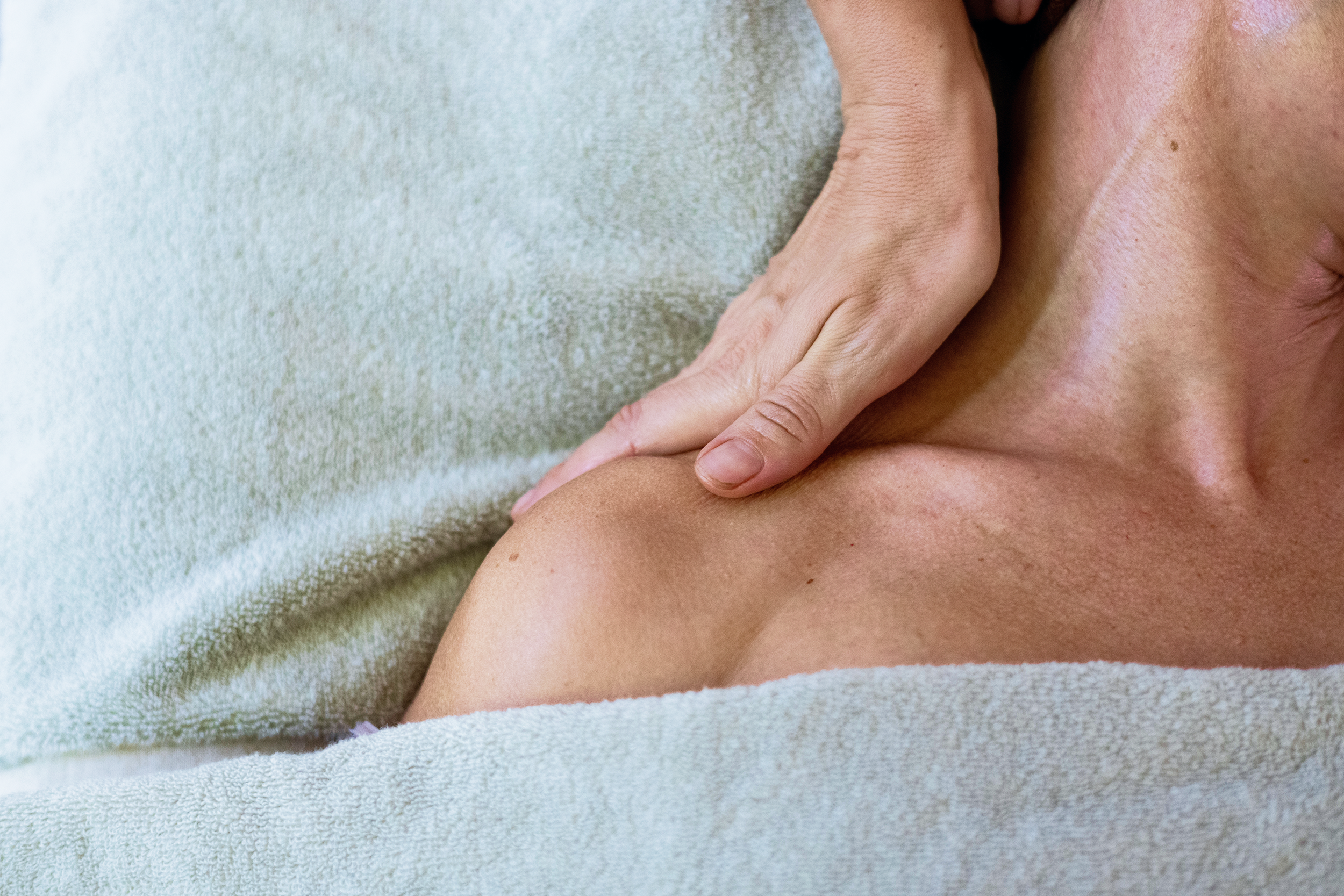
I use a range of massage techniques, facial tools and seasonal skincare at Slow Skin. Some are gentle and rhythmic, while others work more deeply around areas like the jaw, neck and shoulders.
-
A smooth, sculpted stone used in slow, precise strokes to ease facial tension, support lymphatic drainage and enhance the face’s natural contours.
-
Small cups use gentle suction and gliding movements to mobilise the skin and encourage local circulation, leaving the skin looking refreshed.
-
I use the Dermalux Flex MD, a non-invasive treatment that delivers specific wavelengths of light to the skin. Red supports collagen production, near-infrared supports repair, and blue targets acne-causing bacteria.
-
Products and techniques inspired by the seasons and adapted to your skin’s needs, supporting hydration, comfort and a healthy skin barrier.
I choose what to use based on how your skin feels and where you’re holding tension that day. Here you can explore what each technique involves, how I use it and what it might feel like during your facial.
-
Massage inside the mouth and around the cheeks and jaw to ease muscular tension, soften tightness and leave the jaw feeling more at ease.
-
Focused massage working with facial muscles and connective tissue to ease tension and encourage a more lifted, defined appearance.
-
Light, rhythmic massage that supports lymph flow, helping ease fluid retention and leave the face looking fresher.
-
A traditional Ayurvedic tool made from a copper-and-tin alloy. Flowing massage and focused work around marma points—traditional Ayurvedic energy points, offer a soothing, grounding experience.
A DEEP DIVESkin & Body Glossery
There are a lot of terms thrown around when it comes to skin and bodywork. You might hear about your skin barrier all the time and still wonder what it actually does, or come across words like fascia and somatics and wonder what they have to do with a facial.
I’ve put together a short glossary to explain what these terms mean in everyday language and how they relate to what I do at Slow Skin, from the skincare I choose to the way I work with touch and pressure.
-
Connective tissue that surrounds, supports and connects structures throughout the body, including muscles.
-
An approach centred on how the body feels from within: noticing breath, tension, movement and sensation. In my work, this informs the pace, touch and space to settle.
-
The skin’s protective outer layer, helping keep moisture in and irritants out. When disrupted, skin can feel dry, sensitive or reactive.
-
A network of vessels, tissues and organs involved in fluid balance and immune function. It returns excess fluid from the tissues to the bloodstream.
-
The communication network linking the brain, spinal cord and body. It shapes how we sense, move and respond, including our responses to stress and rest.